

Client:
Tablet Health Inc.
Project:
Product Design & UX (Co-Founded Startup)
My role:
Co-founder & Product Design Lead
Tools:
Figma, Adobe XD, Illustrator, Photoshop, InDesign
Overview
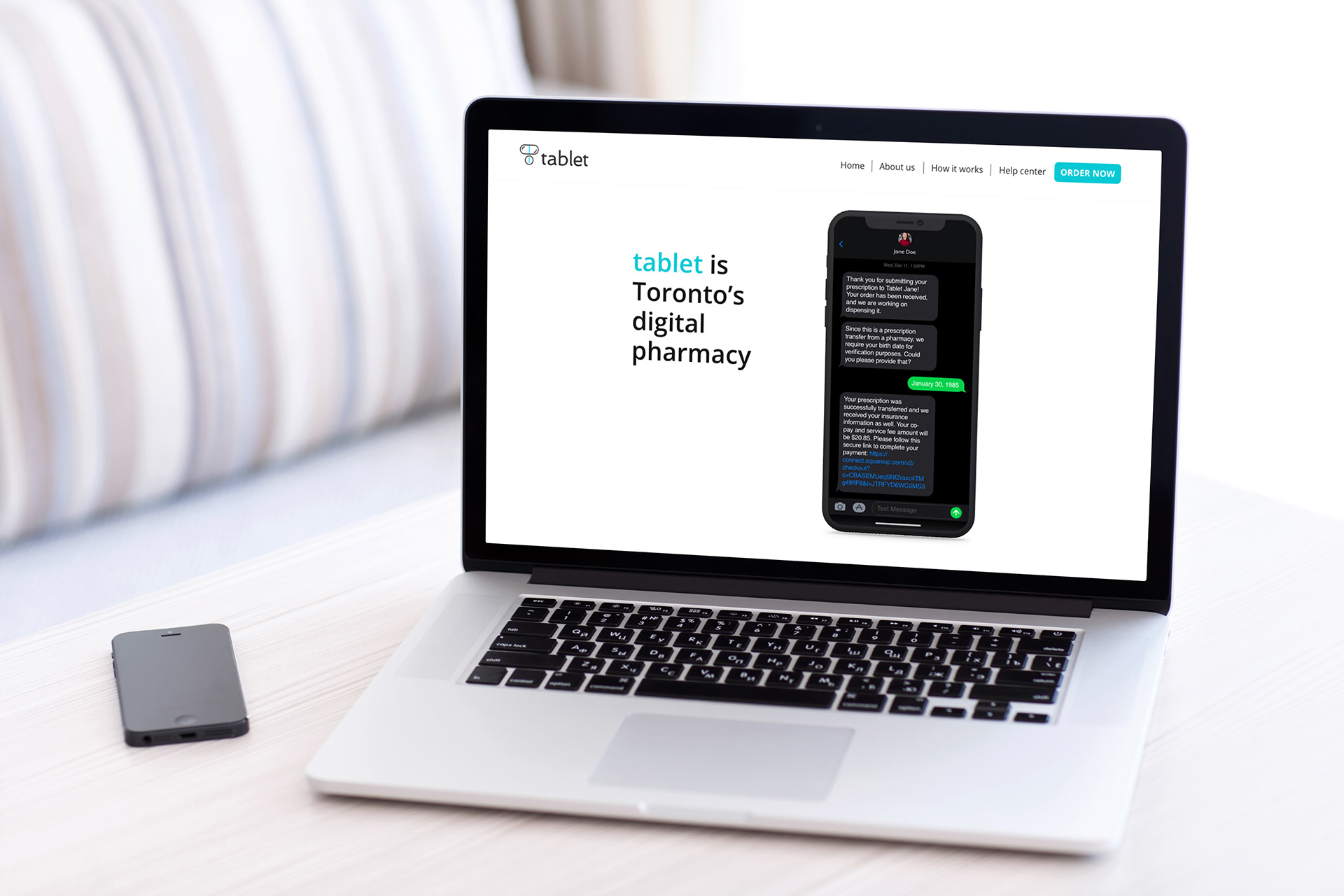
Tablet Health is Toronto’s digital pharmacy, designed to simplify how people access essential medication. As a co-founder and design lead, I owned the product design and UX from concept through launch, shaping how users moved through a complex, regulated healthcare service.
The work focused on translating real-world pharmacy workflows into clear, human-centred digital experiences that reduced friction, built trust, and supported same-day delivery.
The Challenge
Launching a digital pharmacy meant operating at the intersection of healthcare, technology, and logistics, with no margin for ambiguity.
As a new company, we had to:
• Establish trust without a physical presence
• Translate regulated, complex processes into simple digital flows
• Design for real people under real stress, not ideal user scenarios
• Build fast while maintaining accuracy, privacy, and clarity
Unlike client work, there was no safety net. The brand, product, and experience had to work together from day one, or the business wouldn’t.
Product Design Approach
I approached the product as a system of flows, not screens.
The focus was on:
• Mapping end-to-end user journeys from prescription upload to delivery
• Designing predictable, transparent states that reduce user anxiety
• Using clear hierarchy and language to explain complex processes
• Prioritizing accessibility, legibility, and ease of use across devices
Design decisions were validated against real operational constraints, ensuring the experience aligned with how the service actually worked behind the scenes.
My Role & Responsibilities
As co-founder and design lead, I owned the full product design lifecycle:
• User journey mapping and experience definition
• Wireframing and interaction design
• High-fidelity UI design and prototyping
• Usability testing and iteration
• Website and product interface design
• Design system and component documentation
• Design handoff and collaboration with engineering
I worked closely with developers, operations, and compliance to ensure the product was usable, scalable, and viable.
Key UX Challenges Solved
Trust without presence: Designing interfaces that felt credible and reassuring without a physical pharmacy
Clarity in regulation: Translating regulated workflows into understandable user states
Asynchronous communication: Designing notification and update patterns that keep users informed without overload
Speed vs. accuracy: Supporting fast fulfillment while preventing errors or confusion
Each challenge required trade-offs between simplicity and completeness, with user confidence as the guiding metric.

Product & Interface Design
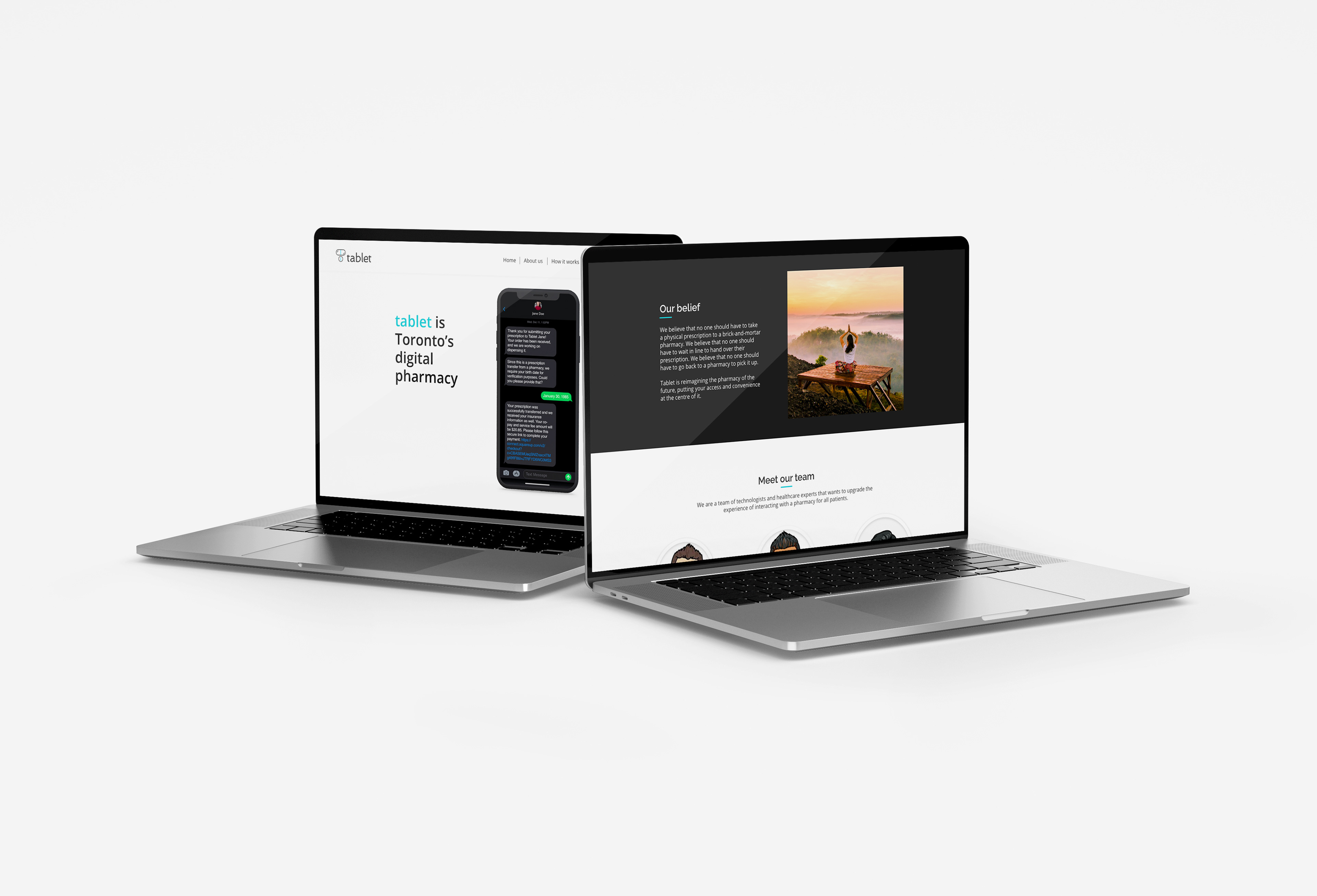
The interface emphasized calm, predictable interactions. Visual hierarchy, spacing, and tone were intentionally restrained to keep focus on key actions and information.
The website functioned as both a marketing surface and a functional product entry point, clearly explaining the service while guiding users into the experience with minimal friction.
Design System & Scalability
I built a lightweight design system to support consistency across product, marketing, and operational touchpoints. Components were designed to be flexible, allowing the team to iterate quickly without fragmenting the experience.
Documentation and handoff practices ensured the system could scale beyond the founding team.
Impact
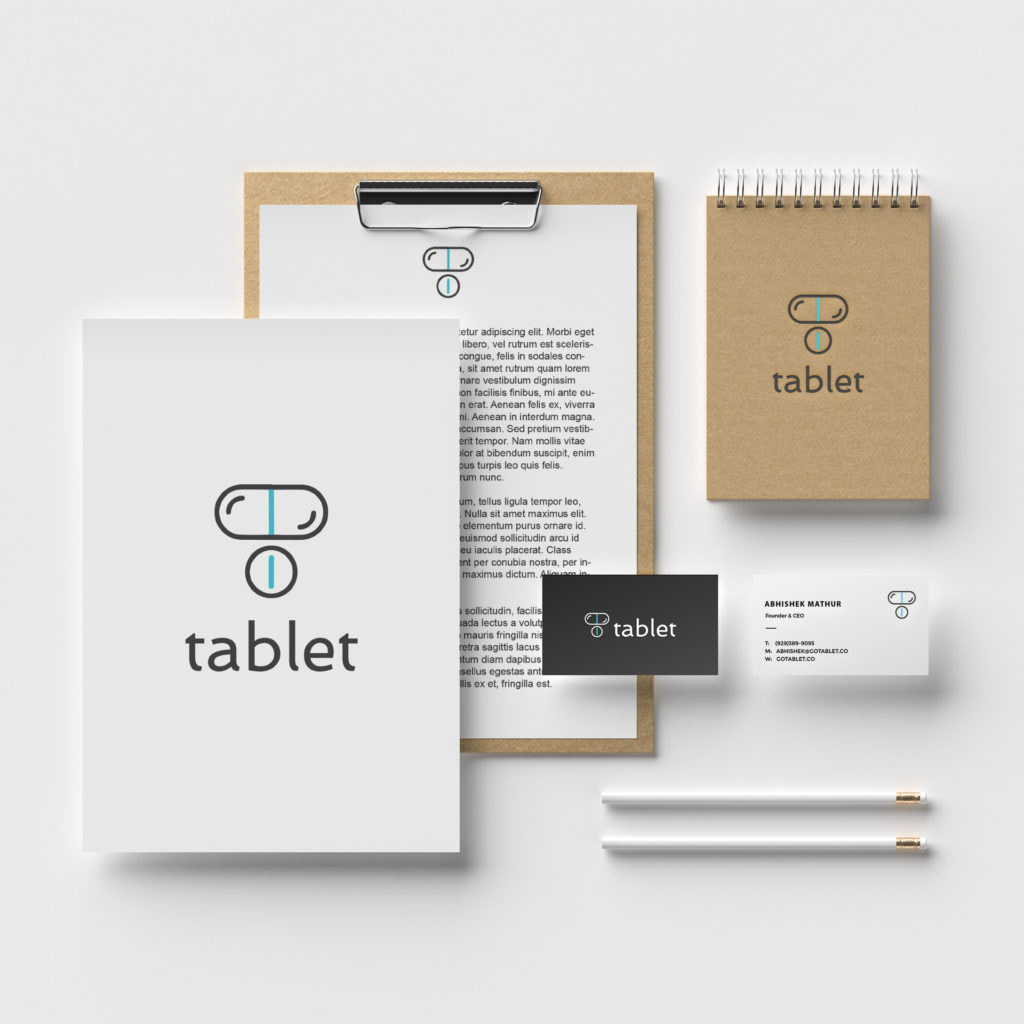
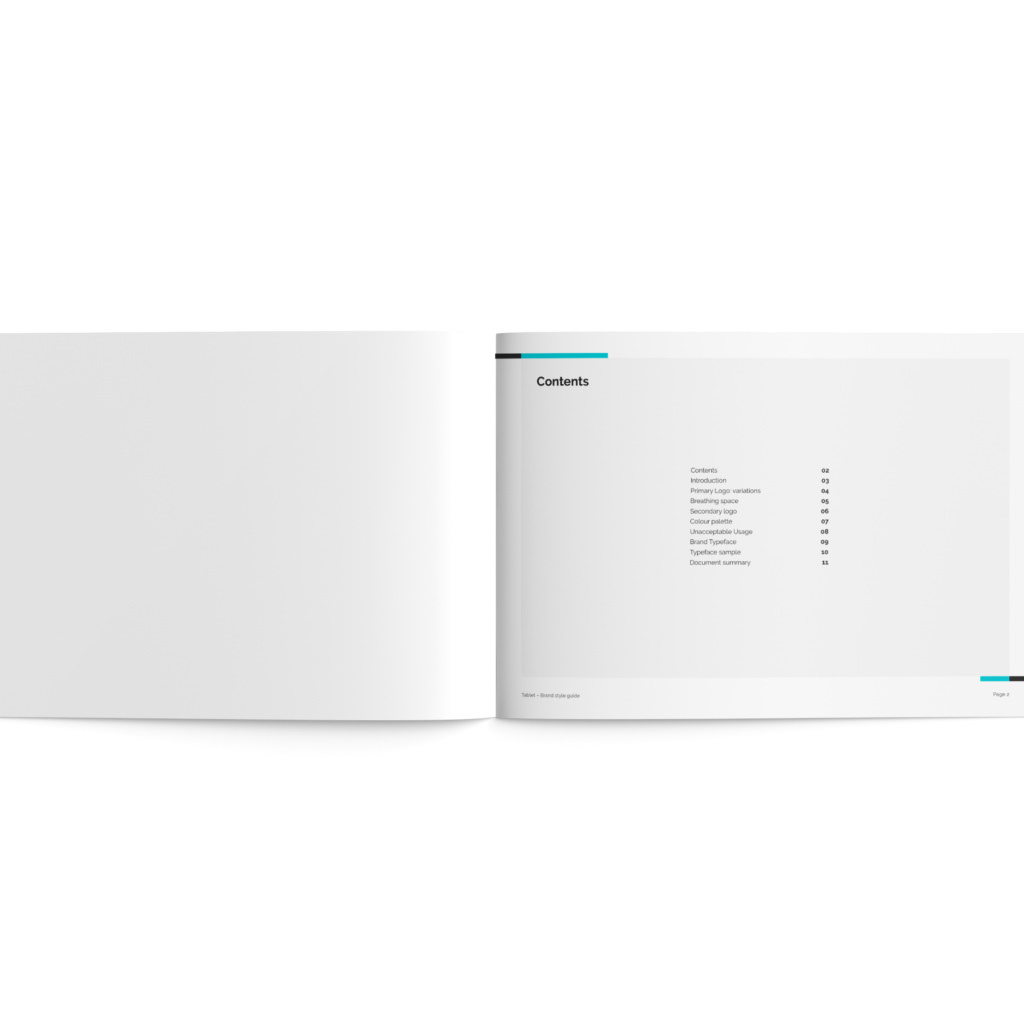
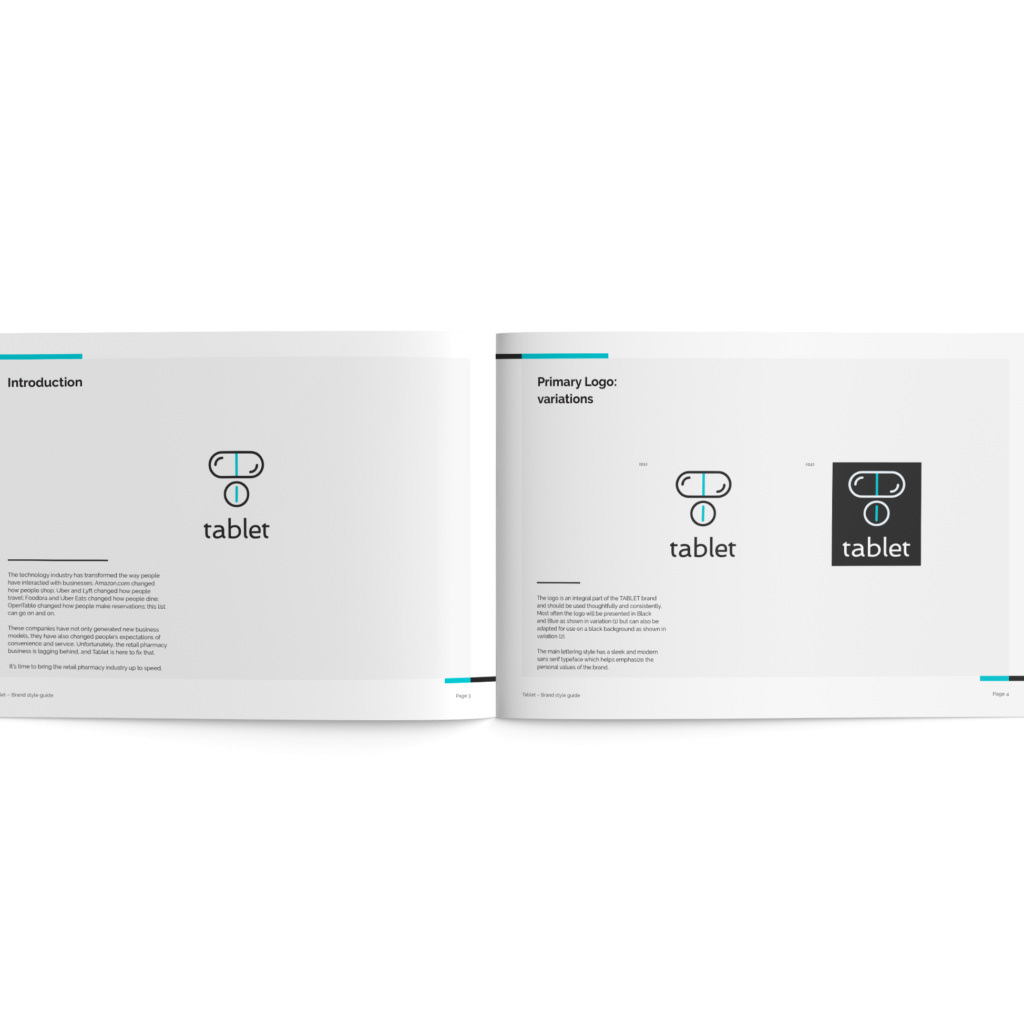
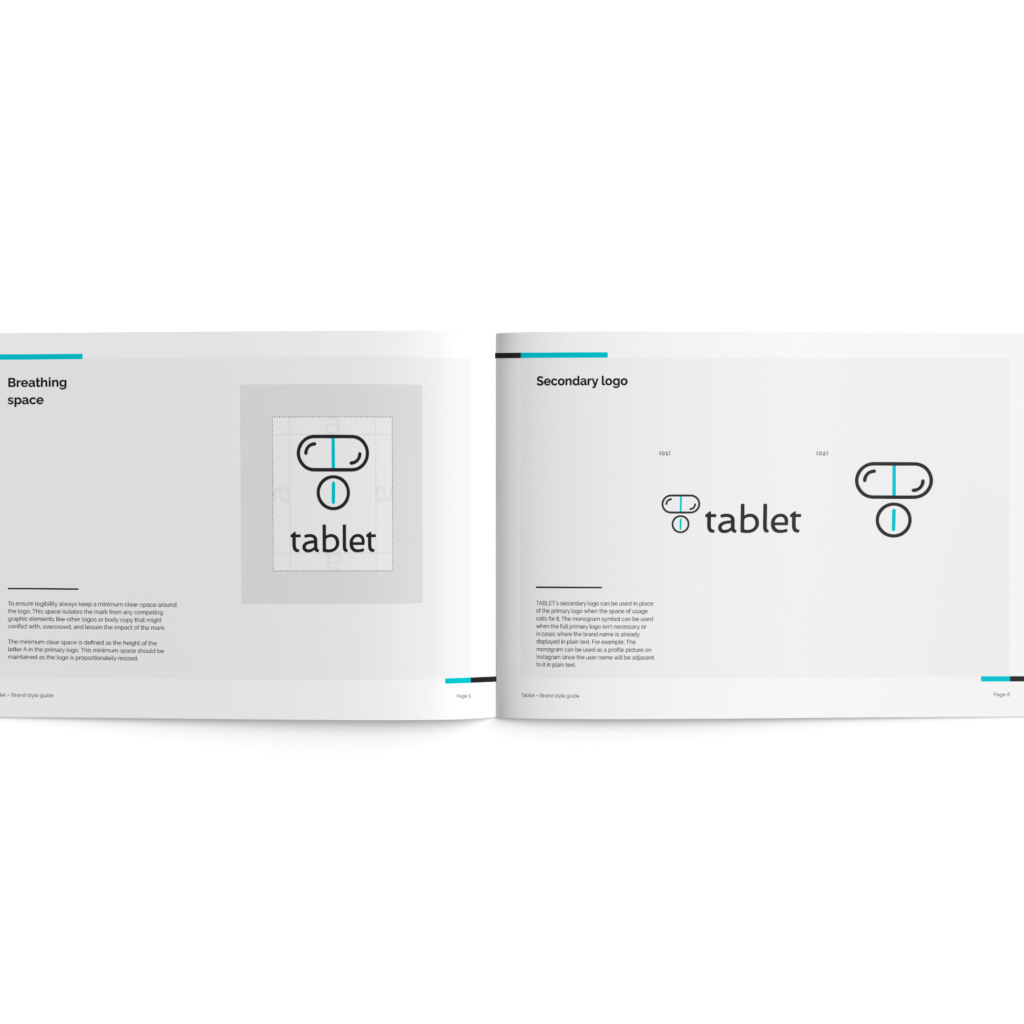
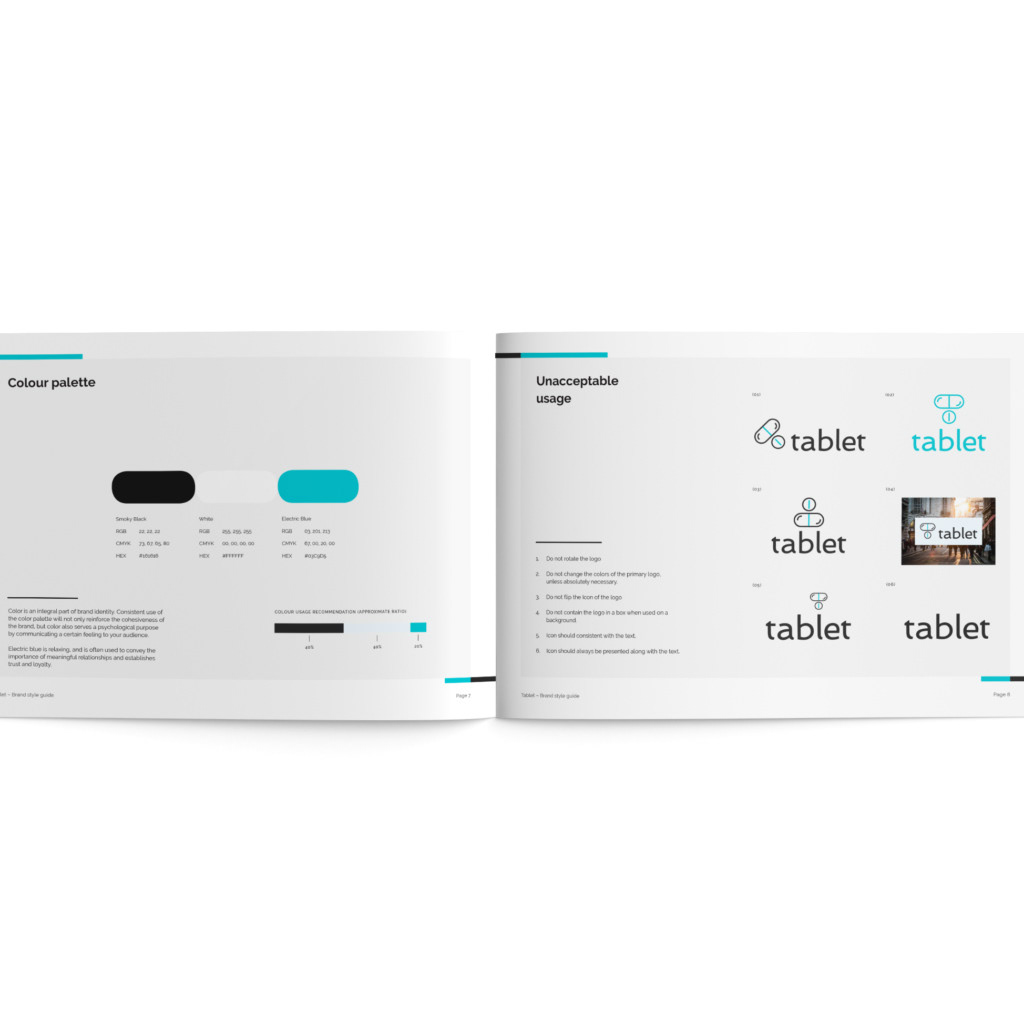
• Established the brand and digital foundation from zero, enabling the product to launch with clarity and credibility.
• Designed a system that balanced trust, accessibility, and usability in a healthcare context.
• Set visual and UX standards that supported future product and feature expansion.
Outcome
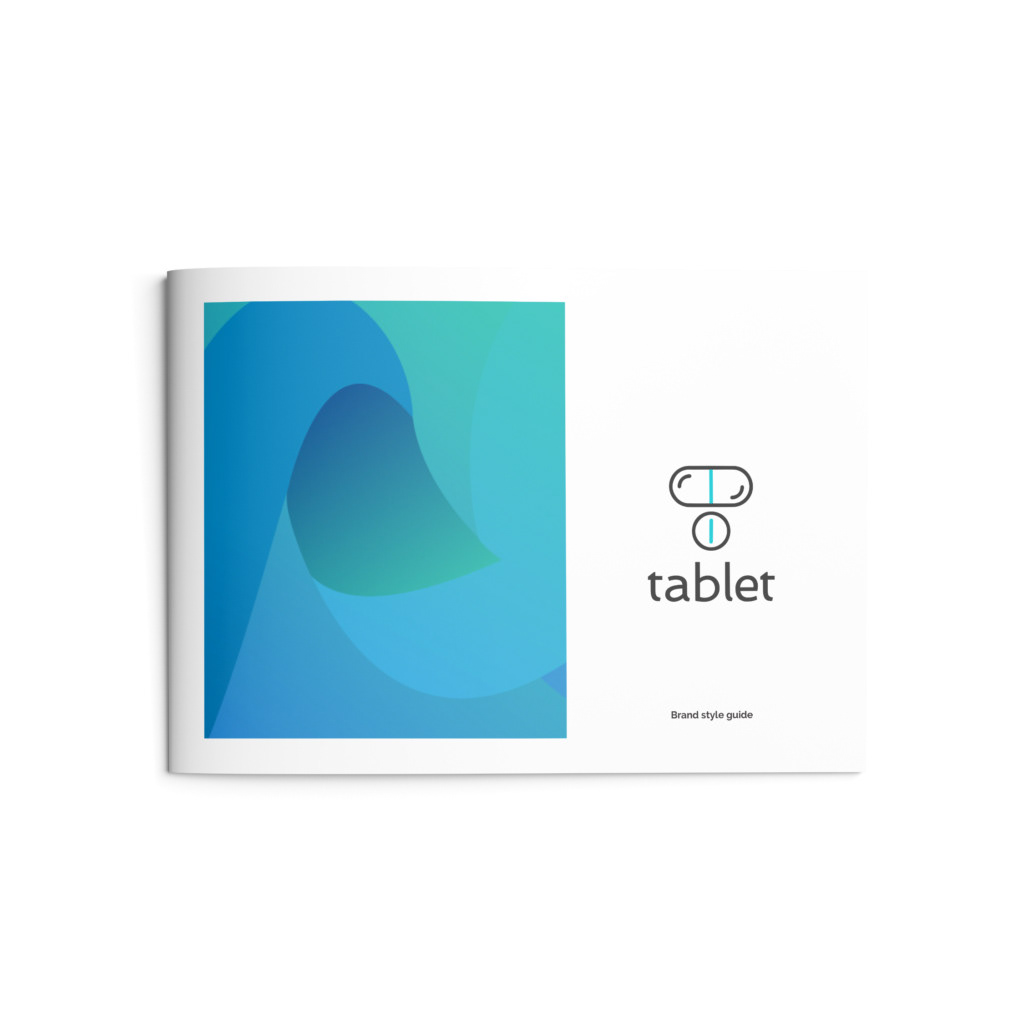
Tablet launched with a cohesive product experience that made a complex healthcare service feel simple and accessible. The UX supported real operational workflows and helped establish early user trust in a highly regulated market.
The product foundation enabled rapid iteration while maintaining consistency and usability across touchpoints.
Why This Project Matters
This project reflects how I approach product design under real constraints. It required user-centred thinking, systems design, and continuous trade-off evaluation, all within a founder-led environment.
It demonstrates my ability to design products that balance user needs, technical realities, and business goals from day one.
Built around real users, real constraints, and real outcomes.